What if the difference between slow growth and rapid brand success is simply the tools you use?
Many businesses create content every day but struggle to reach the right audience. Blog posts get published, social media posts go live, and newsletters are sent out. Yet traffic and engagement often remain low. The problem usually is not the effort. It is the lack of the right tools to research, plan, create, and distribute content effectively.
Content marketing has become one of the most powerful ways to grow a brand online. According to the Content Marketing Institute, about 73 percent of B2B marketers and 70 percent of B2C marketers actively use content marketing as part of their strategy. Companies that prioritize content also generate three times more leads than traditional marketing while spending 62 percent less.
But success rarely happens without the right support systems. The right content marketing tools can help you find ideas, optimize your content, analyze performance, and manage campaigns more efficiently.
Let us explore ten powerful tools that can help your brand grow faster.
1. Ahrefs

Ahrefs is widely used for SEO research and competitive analysis. It helps marketers understand what people are searching for online and how competitors are performing.
With Ahrefs, you can discover keywords, track rankings, analyze backlinks, and explore content ideas that already perform well.
Key features include:Keyword research with search volume data
- Backlink analysis
- Content explorer for trending topics
- Site audit for SEO improvements
According to industry reports, over 60 percent of marketers say keyword research is one of the most important parts of content marketing. Tools like Ahrefs make this process easier and more accurate.
2. Semrush
Semrush is another all in one marketing platform that helps businesses manage SEO, content strategy, and competitor research.
The platform offers detailed insights into keyword trends, website performance, and search visibility.
Useful features include:
- Keyword tracking and ranking analysis
- Content optimization suggestions
- Competitor research tools
- Traffic analytics
Many companies use Semrush to identify content gaps, which are topics their competitors cover but they do not.
3. Grammarly
Great content is not only about ideas. It must also be clear, readable, and free from errors. Grammarly helps writers improve their grammar, tone, and clarity in real time.
The tool works directly inside browsers, email platforms, and writing apps.
Key benefits include:
- Grammar and spelling corrections
- Tone and clarity suggestions
- Readability improvements
- Plagiarism detection
Studies suggest that readable content can increase engagement by up to 40 percent, which makes editing tools extremely valuable.
4. BuzzSumo
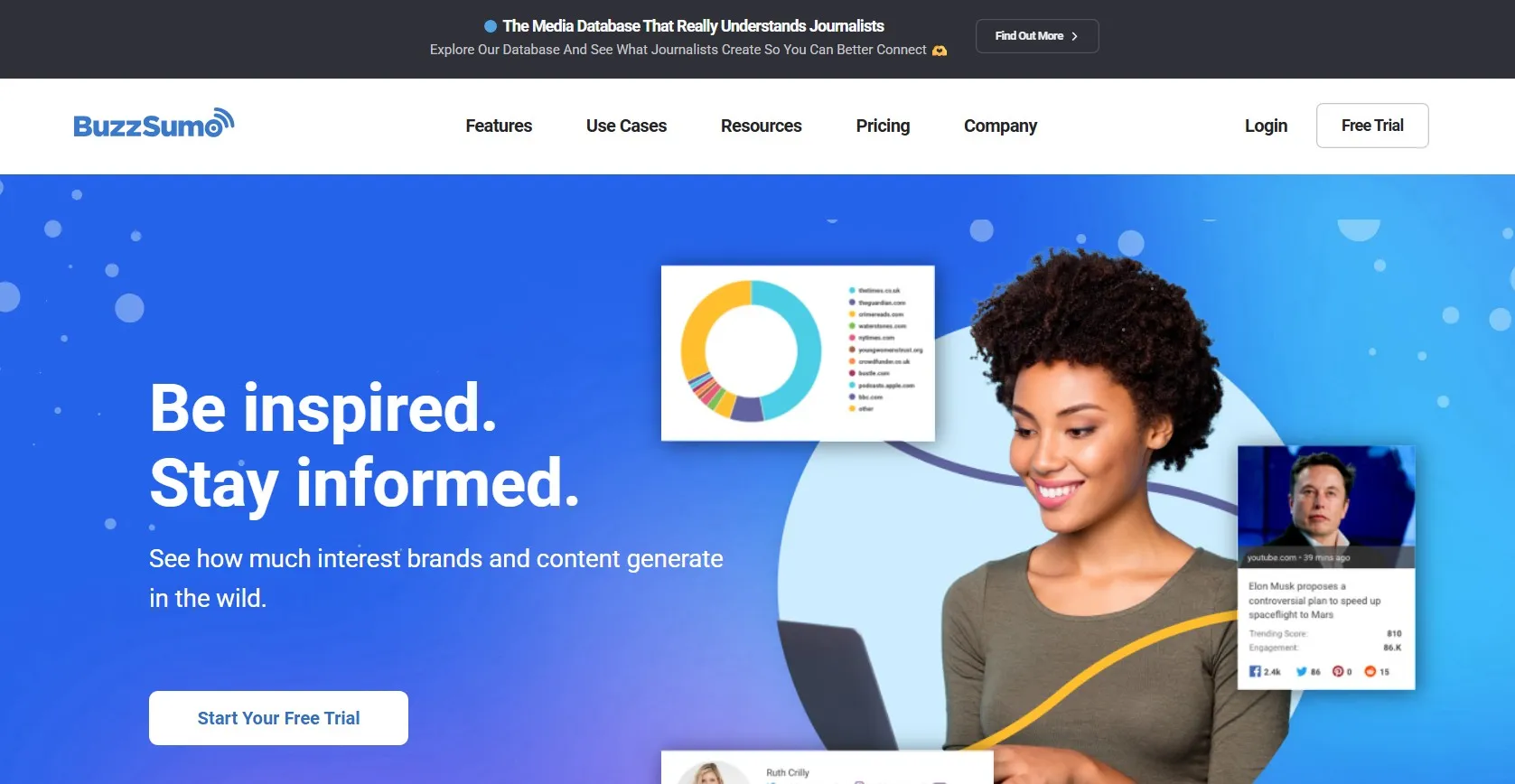
BuzzSumo helps marketers discover trending topics and analyze the performance of content across the internet.
If you want to know which blog posts, videos, or articles get the most shares, this tool can provide clear insights.
Features include:
- Content performance analysis
- Influencer discovery
- Topic research
- Social engagement tracking
This helps marketers focus on ideas that already have proven audience interest.
5. Canva

Visual content plays a huge role in modern marketing. According to research by Venngage, over 49 percent of marketers say visual content is very important for their strategy.
Canva makes it easy to design graphics, social media posts, infographics, and blog images without advanced design skills.
Highlights include:
- Drag and drop design tools
- Thousands of templates
- Stock images and icons
- Brand kits for consistent visuals
Even small businesses with limited resources can create professional designs quickly.
6. HubSpot

HubSpot is a powerful marketing platform that helps manage content creation, email marketing, and customer relationships.
It allows marketers to track how users interact with their content and how those interactions turn into leads.
Important features include:
- Content management system
- Email marketing tools
- Lead tracking and analytics
- Marketing automation
HubSpot reports that companies using marketing automation see up to a 451 percent increase in qualified leads.
7. Google Analytics

Understanding how people interact with your content is essential. Google Analytics provides detailed information about your website visitors.
You can see where traffic comes from, which pages perform best, and how users behave on your site.
Important insights include:
- Traffic sources
- User behavior
- Page performance
- Conversion tracking
More than 28 million websites use Google Analytics, making it one of the most trusted analytics platforms in the world.
8. Trello
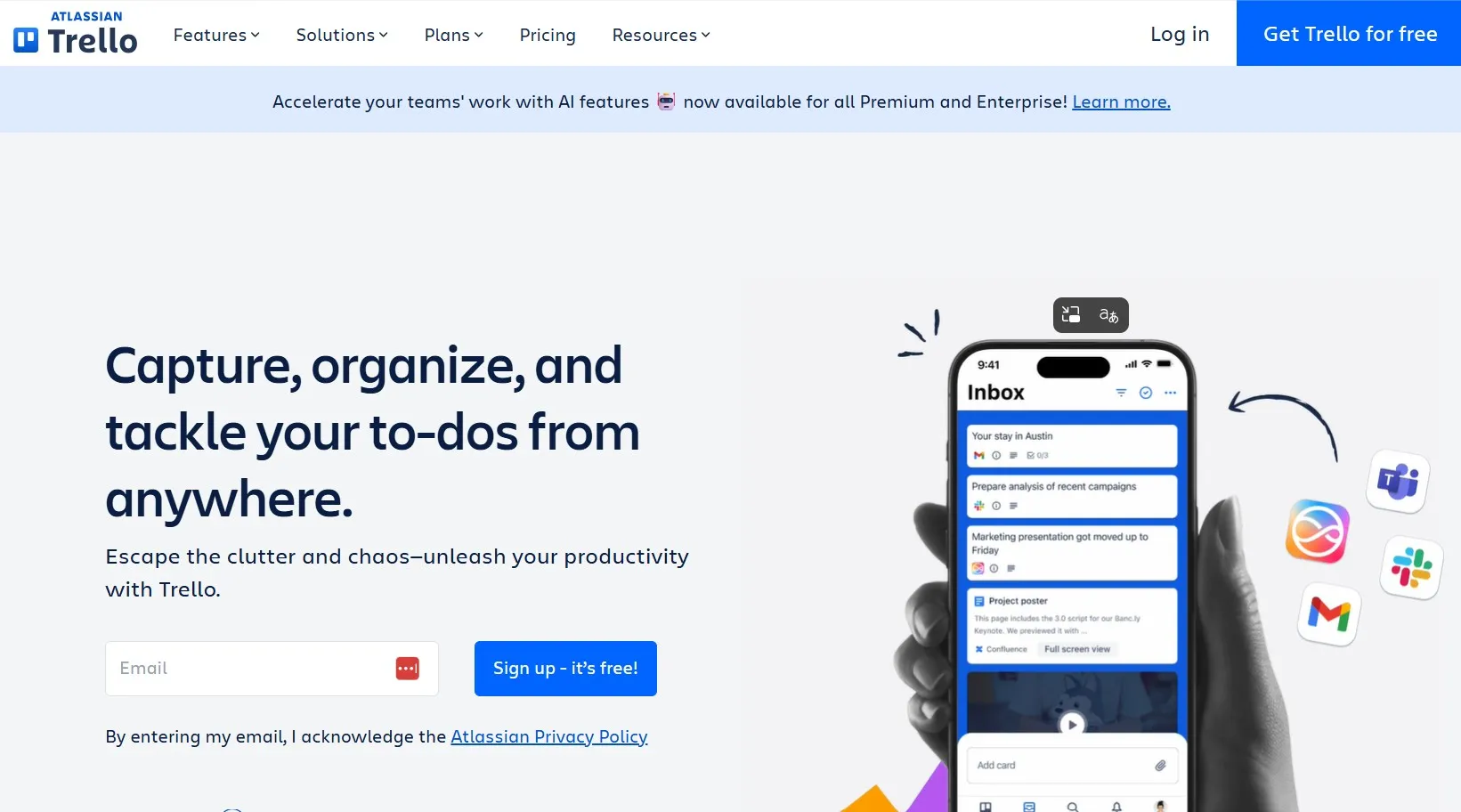
Content marketing often involves many moving parts such as writing, editing, publishing, and promotion. Trello helps teams stay organized.
It uses simple boards and cards to manage tasks and projects.
Key benefits include:
- Visual task management
- Collaboration tools
- Content planning boards
- Workflow tracking
Teams can clearly see what tasks are pending, in progress, or completed.
9. Surfer SEO
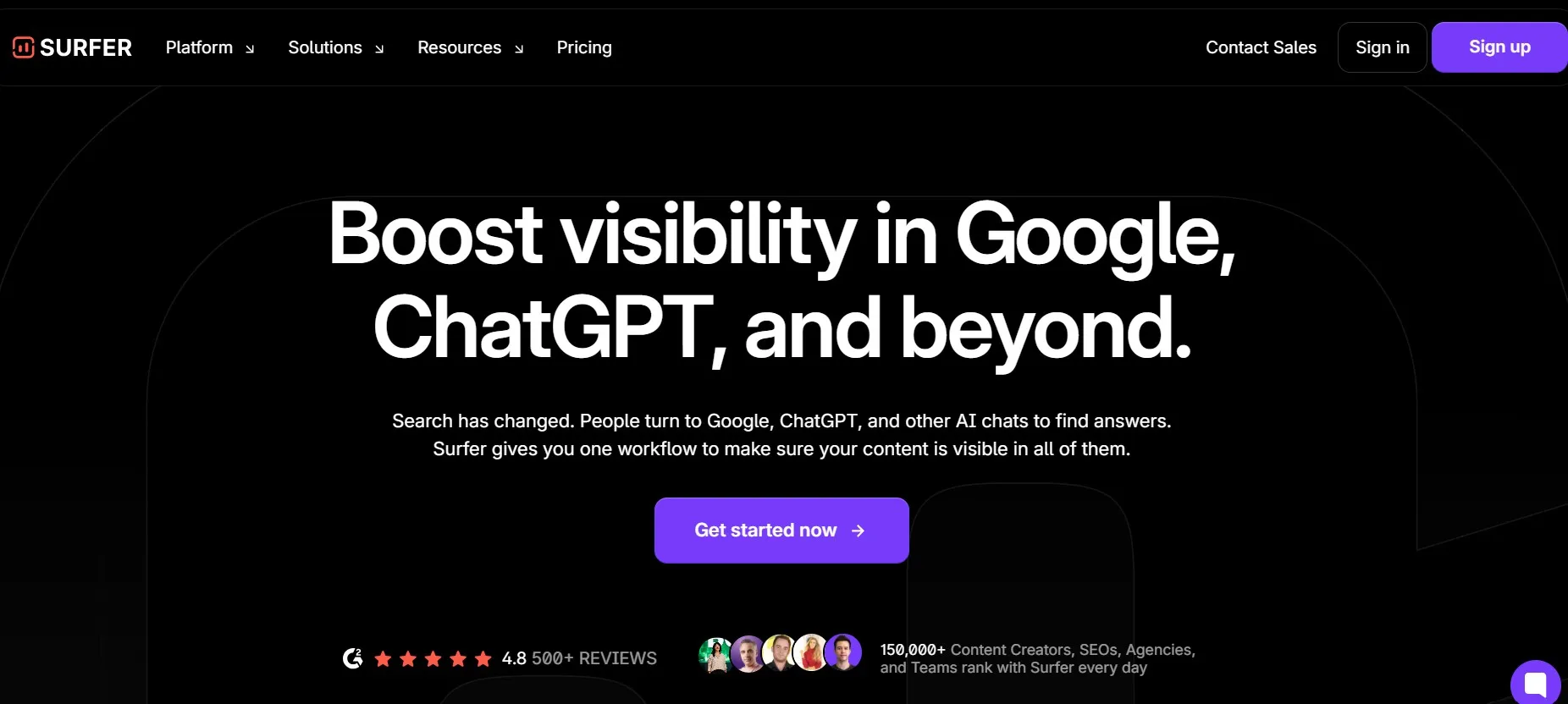
Surfer SEO focuses on optimizing content so it performs better in search engines. It analyzes top ranking pages and provides suggestions for improving your content.
Features include:
- Content editor with optimization suggestions
- Keyword recommendations
- SEO audit reports
- Competitor analysis
Many marketers use Surfer SEO to ensure their articles match search intent and ranking factors.
10. Mailchimp
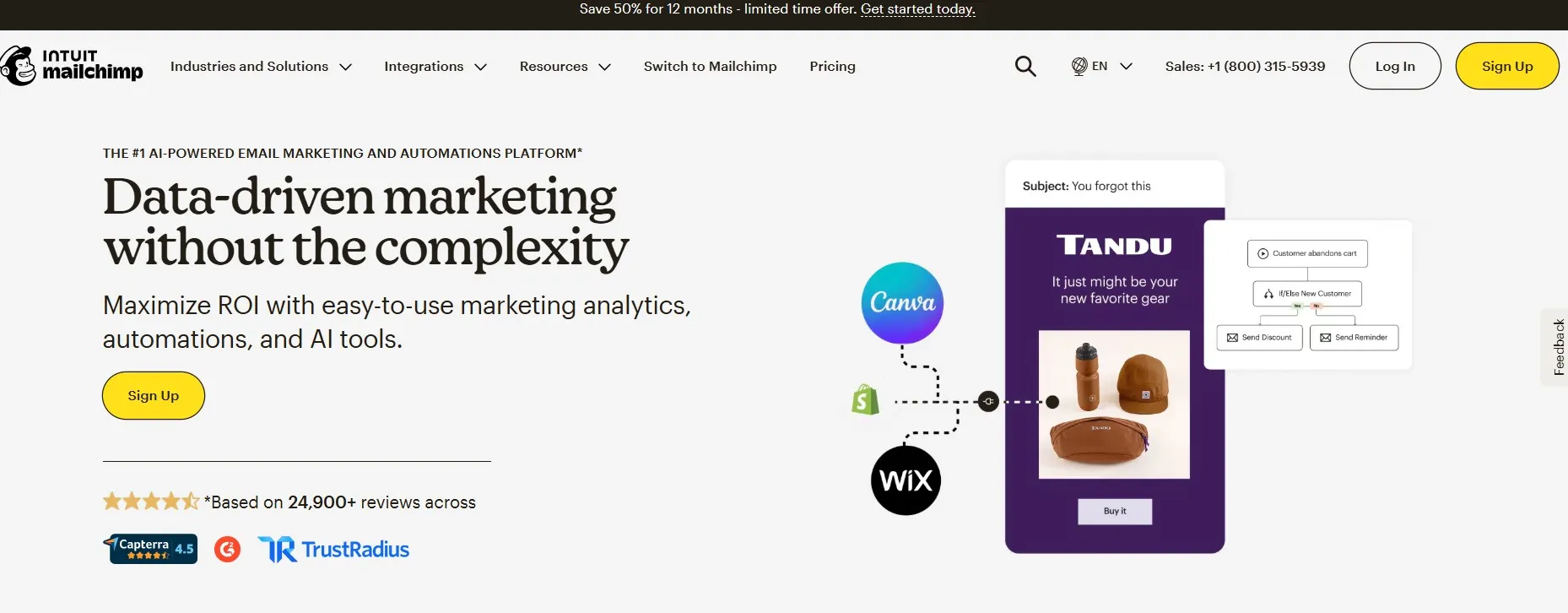
Email marketing continues to deliver strong results for businesses. In fact, email marketing can generate an average return of 36 dollars for every 1 dollar spent according to marketing studies.
Mailchimp helps businesses build and manage email campaigns easily.
Features include:
- Email campaign creation
- Audience segmentation
- Marketing automation
- Performance analytics
With the right email strategy, brands can maintain strong relationships with their audience.
Why the Right Tools Matter
Content creation alone is not enough anymore. Brands need research tools, writing support, analytics platforms, and marketing systems working together.
The right content marketing tools help teams:
- Discover high demand topics
- Create better quality content
- Improve SEO performance
- Track audience engagement
- Manage campaigns efficiently
Instead of guessing what works, marketers can make decisions based on real data.
Final Thoughts
Content marketing continues to evolve as audiences expect better quality, more useful information, and engaging formats. Businesses that invest in the right tools often find it easier to stay consistent and competitive.
The question is not whether content marketing works. The real question is whether you are using the right systems to support your strategy and reach the people who are already searching for what you offer.